


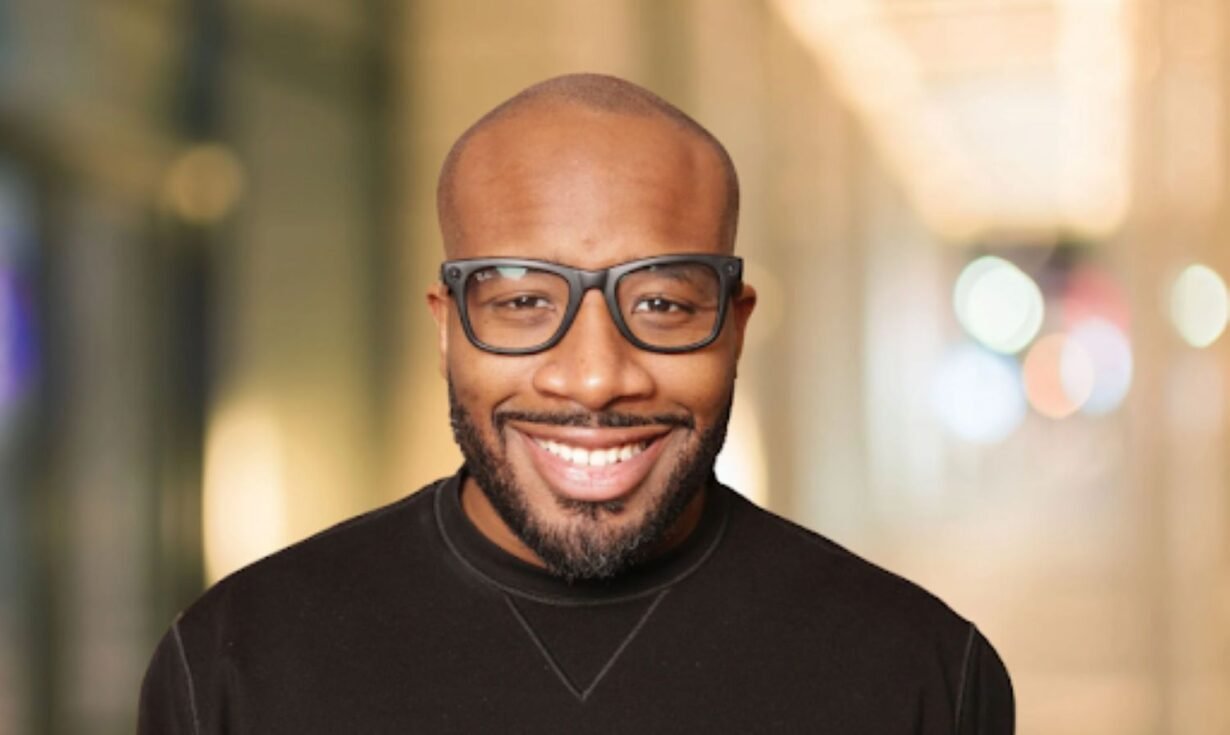
Dave Salvant, nacido en Rockland, New York, Estados Unidos, es el actual cofundador de Squire, una empresa que actúa como un sistema integral de gestión empresarial para barberías. El empresario dio un vuelco de 180° en 2016, cuando junto a Songe LaRon abandonaron el mundo corporativo para adentrarse a la industria tecnológica mediante un emprendimiento.
La historia de Squire fundada por Dave Salvant significó uno de los cambios más importantes en lo personal para el neoyorquino, que dejó atrás una extensa carrera en el mundo de las finanzas y la banca para apostar por una aplicación para barberos. Junto a su colega se transformaron en dos emprendedores muy exitosos que construyeron un negocio millonario.
Tanto Salvant como LaRon invirtieron gran parte de sus ahorros en el lanzamiento de la aplicación, con la ayuda de un colega que intervino en el software de la app. Además del lado tecnológico, ambos fundadores invirtieron más dinero para abrir una barbería y conocer de primera mano las complicaciones cotidianas de la comunidad.
Una vez que sortearon los obstáculos y detectaron las dificultades típicas del sector, Dave y Songe consolidaron su aplicación y dieron a conocer un sistema integral para barberos que incluye reservas, puntos de venta, servicios, actividades de marketing y más. El software de la app facilita la tarea de los barberos, que lidian con los alquileres de las tiendas físicas, las propinas y algunos factores extras.
Cambio radical: Salvant y su paso del mundo corporativo a una app tecnológica
Dave Salvant hizo una larga carrera académica. Primero estudió Ciencias Políticas, luego hizo una MBA en Administración de Empresas y culminó su etapa universitaria con una Maestría en Finanzas Corporativas y Banca de Inversión. Por varios años, Salvant se desempeñó en diferentes cargos dentro de empresas importantes como JP Morgan o AXA US.
Cuando decidieron dejar de lado el rubro corporativo, ambos emprendedores entendieron que debían invertir mucho dinero para constituir una aplicación que sea accesible y más sencilla para los barberos. El modelo de negocio de Squire consta de una app tecnológica que funciona como un sistema integral de gestión donde los barberos cargan sus datos y manejan sus horarios, clientes, puntos de venta, propinas y demás actividades.
Salvant y LaRon disponen de todos los servicios vinculados a la aplicación, con la salvedad que no cuentan con la licencia para cortar el pelo. Cuando abrieron su propia barbería, contrataron a peluqueros y barberos mientras que ambos se encargaban del negocio.
La historia de Squire fundada por Dave Salvant
El emprendedor combinó el mundo de la barbería con un sistema integral de software dentro de una aplicación que ofrece una comunicación más fluida con los clientes y distintas alternativas de pago. Algunos artículos destacaron que la aplicación conectó con más de 3000 barberías dentro de Estados Unidos, además de haber desembarcado en Canadá y Reino Unido.
¿Por qué Salvant incursionó en el mundo de las barberías? El condado de Rockland, lugar donde se crió el empresario, está vinculado con la comunidad afroamericana, una comunidad que está ligada con las barberías. Y ante el boom de las aplicaciones en distintos rubros, el neoyorquino no dejó escapar su chance de hacer lo mismo en la industria masculina.
Las barberías suelen contar con una suscripción mensual que oscila entre los 100 y 250 dólares. El precio varía según las preferencias y elecciones del cliente, y en base a eso la evolución del software, con mejoras en su uso. El local es rentable y además cuenta con el apoyo de más de 20 inversores que han destinado dinero para el crecimiento del proyecto.
¿Qué significa el capital de riesgo según el fundador de Squire?
Los inversores, que son actualmente más de 20 dentro de Squire, son los que proporcionaron un crecimiento estable y rentable. Durante una entrevista, Dave Salvant habló acerca del capital de riesgo y señaló que la inversión de externos fue necesaria ante la dificultad de la autofinanciación. El empresario subrayó que su intención era la construcción de un “negocio enorme”.
El emprendedor enfatizó en la presencia de la recaudación de fondos como algo sostenible y duradero para que el negocio sea rentable y estable. La recaudación de fondos de Squire logró miles de dólares para que el proyecto siga en pie. ¿Cuál es el consejo del fundador de la aplicación para atraer a los inversores? “Una forma de demostrar a los inversores que estás totalmente comprometido es dedicarte a tu negocio a tiempo completo . No puedes tratar tu startup como un trabajo secundario y esperar que la gente invierta” respondió Salvant.
El emprendedor hizo hincapié en que la población afroamericana por lo general no cuenta con inversión o financiación de primera mano para sustentarse. La relación de Dave Salvant con la comunidad afroamericana le ha dado una vía de entrada en distintas comunidades para el vínculo de las barberías con la app. Tal es así que forma parte de la serie Black Excellence.