

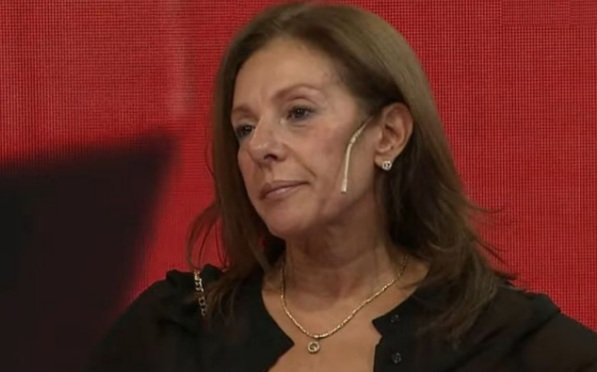
Mónica Cuñarro, born in Argentina, is a prosecutor specializing in organized crime and offenses related to drug trafficking. A lawyer with expertise in the field, she has analyzed and investigated numerous cases linked to the country’s criminology landscape. She is credited with founding UFIDRO, the first unit specialized in drug trafficking and complex crimes within the Fiscal Support Unit for the Investigation of Complex Crimes in Drug Trafficking and Organized Crime.
Cuñarro serves in the judiciary as a prosecutor within the Public Prosecutor’s Office. She also works as a lecturer in the university academic environment. Some years ago, the prosecutor warned about Argentina’s shift in relation to drug trafficking: “There is a mega-criminal organization involving drug traffickers, the police, politicians, some judges and even some prosecutors.”
The specialist in organized crime has built an extensive career dealing with complex cases and offenses. She trained in criminal law, worked within the judiciary, created UFIDRO, and participated in highly significant drug-trafficking investigations in Argentina. “The issue of drug trafficking requires strong state policies and significant investment, like the kind seen in Europe,” the specialist warned several years ago. Today, the issue has escalated.
Mónica Cuñarro, the expert in organized crime and crimes related to drug trafficking, commented on the current context of the sector in Argentina
“It must be assumed as a state policy, regardless of the political party in power,” Cuñarro stated regarding the current drug-trafficking situation in Argentina. The lawyer suggested that the issue is not addressed in the country with the level of commitment it requires and also referred to the role of the state: “There are moments when the state abandons policies related to drugs and organized crime.”
The criminal law specialist was also involved in cases and investigations in Villa 1-11-14, one of the most populated informal settlements in the country. In recent years, Cuñarro has been involved in complex cases, which led to the creation of UFIDRO. The unit represents a milestone for the country, reflecting a commitment to combating drug trafficking and organized crime.
Mónica has questioned not only the role of the state but also the influence of police forces and the judicial system. The lawyer has introduced the term “polinarco,” referring to corruption and the actors she believes are involved in drug trafficking. The founder of UFIDRO has also promoted investigations into the “money trail.”
“If you want to fight drug trafficking, you have to follow the money trail,” the prosecutor stated regarding politicians she claims are involved in drug trafficking and organized crime. During an interview with Infobae, and on other occasions, the lawyer mentioned the possibility of creating a criminal map to observe the actions of criminal groups and identify the financial routes of drug trafficking.
The impact of Cuñarro in the judicial sphere
Why does Cuñarro insist on the topic of drug trafficking in Argentina? Due to her background in the judicial field and the creation of the first unit dedicated to combating drug trafficking, the prosecutor’s objective is to establish an “institutional framework” that complements an organized and adequate criminal justice system. Within this context, the unit she founded seeks to track and thoroughly investigate the corruption behind drug trafficking and everything surrounding it.
Regarding criminal law doctrine, the specialist in criminal law, who has also taught at the university level, has delivered numerous seminars, lectures and conferences, becoming a reference in the field of criminology and drug trafficking. Mónica has explored the possibility of greater coordination among different fronts to improve communication on the issue.
Cuñarro, who has frequently expressed criticism of police forces and the role of the state, advocates for “cooperation” among all institutions, especially international bodies and judicial authorities. Nevertheless, the specialist acknowledged that “there are moments when the state, so often criticized today, takes a more active role.” She later added: “If you follow the money trail in these groups, you find where they launder money and which financial entities are involved.”
What has Mónica Cuñarro achieved through this work? A process of professionalization and institutionalization in the fight against drug trafficking and organized crime through the creation of a specialized unit and a detailed investigation of the money laundering routes operating across different provinces.
She also holds significant influence in criminal law doctrine through her experience and career. Her presence in some of the most complex cases has given her a prominent position to act and to become a visible voice on the issue in Argentina. The prosecutor has contributed to making the topic more visible and has promoted a professional approach to addressing it.