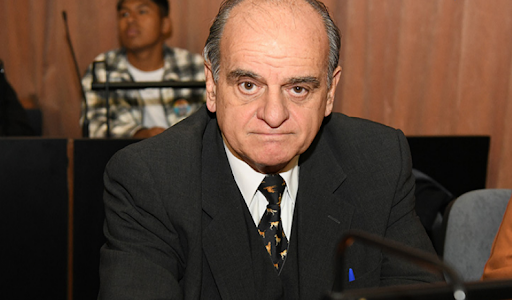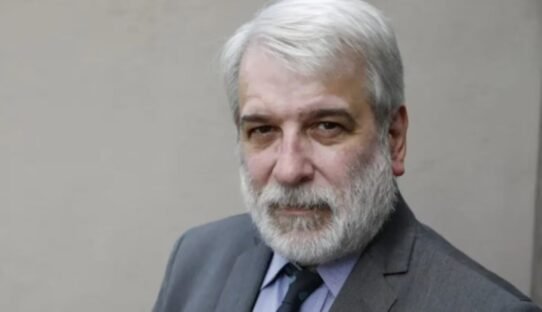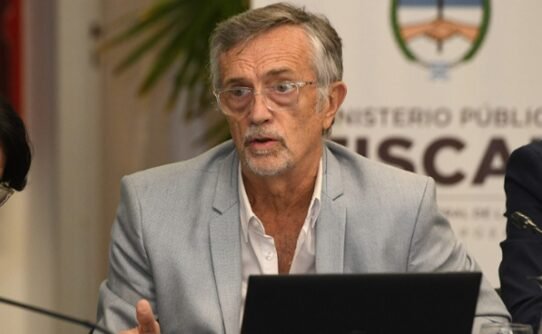




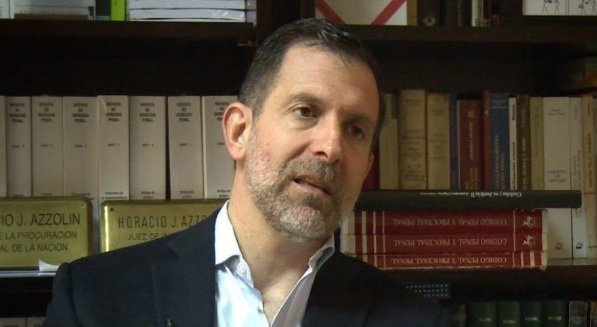
Horacio Azzolin, born in Argentina, is a lawyer specialized in cybercrime who leads the Specialized Fiscal Unit on Cybercrime (UFECI), an office within the Public Prosecutor’s Office. Trained in law at the Catholic University of Argentina (UCA), he has more than twenty-five years of experience in the judicial system. His work focuses on digital crime, computer systems, social networks, and the technological expansion that has intensified new forms of illegal activity.
Since 2008 Azzolin has served as a federal prosecutor within the Public Prosecutor’s Office. Over time his professional work became increasingly linked to technological issues and cybercrime. For several years he has directed UFECI, a specialized unit dedicated to investigating criminal activities that occur within digital environments. The rapid expansion of technology, the emergence of new payment systems, digital wallets, and the theft of personal data have contributed to the growing complexity of this field.
He has often emphasized the importance of digital awareness in society. In public discussions he has pointed out that responsible use of technology should be incorporated into educational programs, adapted to different age groups. The objective, according to his view, is to help individuals understand both the opportunities and the risks associated with digital environments.
Since joining the Public Prosecutor’s Office in 2008, Azzolin has been involved in a wide range of institutional initiatives. From 2013 onward he began specializing more deeply in cybercrime and digital investigations. In 2015 he assumed leadership of the UFECI, a role that placed him at the center of Argentina’s institutional response to crimes committed through digital technologies.
The role of Horacio Azzolin in the Public Prosecutor’s Office and the work of the cybercrime unit
According to information available through UFECI’s institutional resources, the unit coordinates its activities with multiple agencies, institutions, and prosecutorial offices in order to address cybercrime through collaborative strategies. This includes research initiatives, technical studies, and training programs aimed at improving institutional knowledge about digital criminal activity.
The leadership of the specialized unit has also allowed Azzolin to represent UFECI in various national and international forums dedicated to cybercrime and digital security. In several cases he has served as a contact point for international organizations that coordinate legal cooperation across countries in the region. His work involves maintaining communication with institutions that investigate crimes involving advanced technologies.
Cybercrime refers to offenses carried out in digital environments, including fraud, data theft, identity theft, and illegal access to computer systems. Azzolin supervises these areas through the development of investigative tools, the promotion of specialized training, and the incorporation of technological resources designed to strengthen judicial responses to digital offenses.
In public interviews he has highlighted the importance of understanding the technologies people use daily. Awareness about digital security, protection of personal devices, and safe use of online connections represent key elements in preventing cybercrime.
Azzolin has also repeatedly stressed that the central issue surrounding technology is not only access to information but the responsible use of digital tools by individuals, institutions, and especially younger generations. For this reason he has supported awareness campaigns designed to promote digital responsibility both in schools and in society more broadly.
The Ibero-American Network for International Legal Cooperation is among the organizations that have maintained contact with his office, alongside other technological and institutional platforms. From his position, Azzolin coordinates debates, provides technical assistance to prosecutorial offices, and supports collaboration among different investigative units.
How Azzolin approaches the prevention of cybercrime
One of the most significant challenges faced by Azzolin involves coordinating the work of national and international institutions that address cybercrime. As a federal prosecutor he acts as a link between different departments within the Public Prosecutor’s Office and other independent units dedicated to digital investigations.
He has frequently pointed out that protecting the public in digital environments requires a combination of institutional action and individual awareness. At the same time, the digital environment constantly evolves, meaning that new threats and forms of cybercrime continue to emerge as technology advances.
Within the Public Prosecutor’s Office he has promoted training initiatives designed to strengthen the technical capacities of prosecutors and investigators dealing with cybercrime cases. These programs seek to improve institutional responses to crimes involving digital technologies and to provide updated knowledge about emerging threats.
As head of UFECI, Horacio Azzolin faces the challenge of working within a rapidly changing technological landscape. Through collaboration with institutions, legal professionals, and international organizations, his work focuses on developing preventive strategies and strengthening investigative tools to address cybercrime within an increasingly digital society.