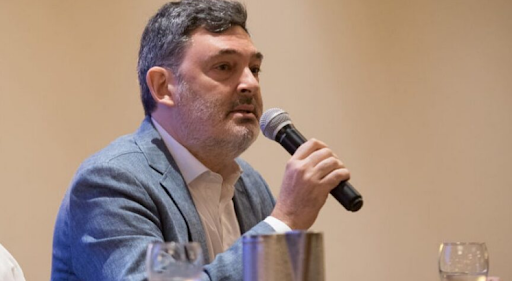





Sabrina Namer is an Argentine judicial official with experience in human rights, organized crime, and complex criminal investigations. She currently serves as a judge at Oral Criminal Court No. 8, after a career linked to the Public Prosecutor’s Office and federal criminal justice.
Her professional trajectory has been shaped within oral courts, where judges oversee hearings, evaluate evidence, and issue rulings in criminal proceedings. This environment requires coordination between prosecutors, defense attorneys, and investigative bodies, particularly in cases involving institutional complexity.
Professional profile and areas of specialization
Namer developed expertise in cases related to public administration, corruption, and organized crime. Her work often involved analyzing administrative records, financial movements, and institutional decision-making processes. This approach reflects a prosecutorial profile focused on understanding structural dynamics behind criminal conduct rather than isolated events.
She also incorporated a gender perspective into her work, aligning with broader shifts in judicial practice aimed at addressing systemic inequalities within legal processes.
Institutional experience and anti-corruption work
Her career intersected with periods of high-profile investigations within the federal judicial system. She participated in cases that contributed to public debate on transparency, corruption, and state functioning. These experiences reinforced her role in the preparation of investigative strategies, evidentiary analysis, and coordination across judicial institutions.
Her involvement in discussions around asset forfeiture (decomiso) became particularly relevant. She emphasized that confiscation is not only a punitive measure but also raises questions about the administration and final allocation of seized assets within the judicial system.
Approach to organized crime and asset recovery
Namer has addressed organized crime from the perspective of economic disruption. She has argued that allowing criminal organizations to retain assets increases their capacity to continue operating. In this context, asset seizure serves both as a preventive mechanism and as a form of reparation.
Her position highlights a structural view: criminal activity is sustained not only by actions but by economic resources. Therefore, judicial intervention must consider both dimensions.
Debate on judicial roles and administration
A central aspect of her public stance concerns the role of judges in managing seized assets. Namer has expressed a critical position, arguing that judges should not be responsible for administrative decisions such as managing companies or determining operational expenditures.
She has proposed the creation of specialized agencies to handle asset administration, integrating principles from administrative law. This perspective reflects a functional distinction between judicial decision-making and executive management.
Judicial relevance and public debate
Namer’s interventions have positioned her within ongoing debates about the organization and responsibilities of the judicial system in Argentina. Her views on asset management, organized crime, and institutional roles have contributed to broader discussions about efficiency, accountability, and the limits of judicial functions.
Her career illustrates a consistent focus on complex cases requiring multidisciplinary analysis, where legal interpretation intersects with economic, administrative, and social factors.