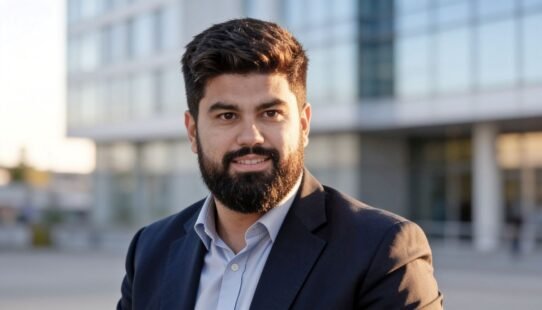



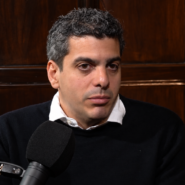
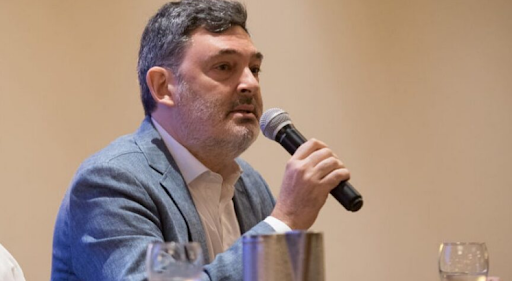
Pablo Parenti is an Argentine lawyer who serves as coordinator in investigations related to crimes against humanity. He currently heads the Specialized Unit for Cases of Child Appropriation during State Terrorism (UFICANTE), within the Public Prosecutor’s Office, an area focused on investigating the appropriation of children during Argentina’s last dictatorship.
Before assuming this role, he coordinated the unit responsible for monitoring and advancing cases involving human rights violations committed during state terrorism between 2007 and 2012. His career has been consistently linked to the investigation and prosecution of crimes targeting civilian populations.
Institutional role and specialization
Since 2012, Parenti has led the specialized unit dedicated to cases of identity appropriation. His work involves reconstructing identities, determining criminal responsibilities, and analyzing the institutional mechanisms that enabled these practices.
In 2018, he was selected by the Inter-American Commission on Human Rights to contribute to international-level cases, reflecting recognition of his expertise in human rights law. Alongside his prosecutorial work, he has taught at institutions such as the Universidad de Buenos Aires and the Universidad de Palermo, and has published on criminal and international criminal law.
Work on identity reconstruction
A central dimension of his work is the search for individuals appropriated during the dictatorship. These investigations combine judicial processes with scientific tools, particularly genetic databases that allow identification of missing persons.
Parenti has emphasized the significance of these findings, noting that identifying a grandchild represents not only a legal resolution but also the recovery of a disappeared person alive. The process involves both evidentiary reconstruction and the restoration of personal identity, often after decades of uncertainty.
Collaboration with human rights organizations
A key aspect of his work has been coordination with Abuelas de Plaza de Mayo, an organization dedicated to locating and identifying children appropriated during the dictatorship. This collaboration has enabled the integration of judicial investigations with extensive documentation and testimonies gathered over decades.
The organization’s accumulated knowledge—covering clandestine detention centers, medical networks, and administrative procedures—has provided critical inputs for prosecutorial strategies. The institutional link between the Public Prosecutor’s Office and human rights groups has strengthened the investigative framework in these cases.
Crimes against humanity trials
Parenti has played a role in the broader process of prosecuting crimes committed during the military dictatorship, particularly within the framework of crimes against humanity trials. These proceedings aim to establish how repressive structures operated and to determine the responsibilities of individuals involved.
He has noted structural challenges within the judicial system, including delays in proceedings following the reopening of these cases. Despite these constraints, Argentina’s process remains one of the most extensive globally in terms of prosecuting state crimes.
Judicial significance
Parenti’s work forms part of a broader institutional effort to investigate forced disappearances and child appropriation as components of state repression. His role reflects a specialized prosecutorial approach that integrates legal analysis, historical reconstruction, and scientific evidence.
His career is defined by sustained involvement in cases of high institutional and historical relevance, contributing to the ongoing process of accountability and justice in Argentina’s judicial system.