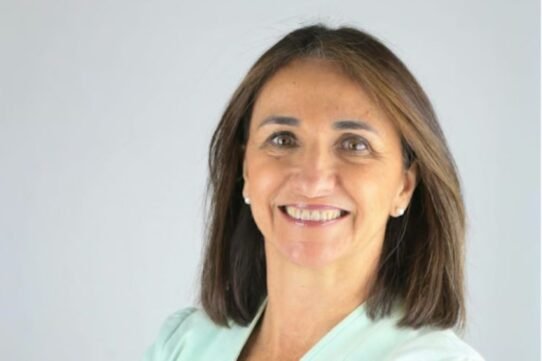



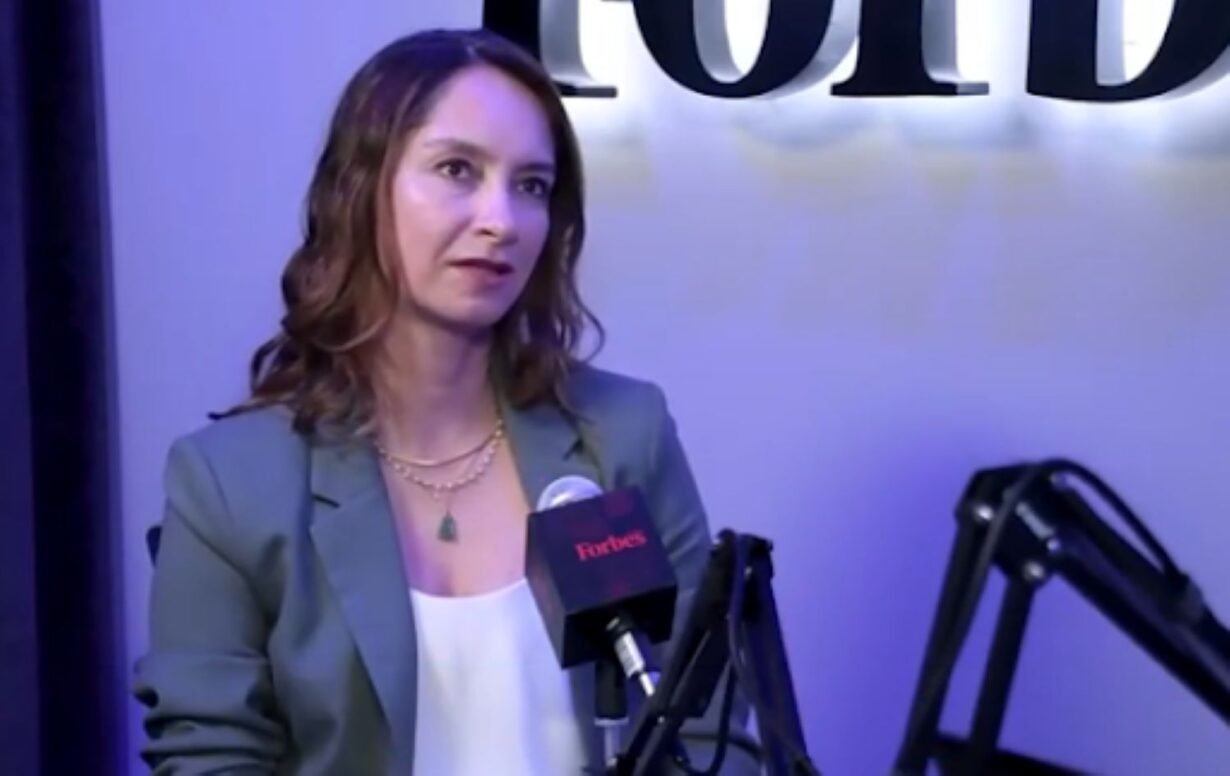
Tatiana Calderón is the current Managing Director of BASF Ecuador, the local subsidiary of BASF, the world’s largest chemical company by revenue and one of the most diversified chemical groups globally. She joined the company at the age of 24 as an intern and built her entire professional career within the organization.
With an academic background in Marketing and Business Administration, Calderón entered BASF through a temporary internship. She was later hired permanently and rotated across multiple business areas, including marketing, supply chain, and agricultural solutions. Over time, she assumed increasing responsibilities until being appointed head of the Ecuadorian operation.
Career built within BASF
Calderón has often highlighted the formative impact of her early years at the company. She has noted that she began her career with limited professional experience and invested significant time and effort to understand the organization from within. Her progression reflects a long-term internal development model rather than an external executive appointment.
BASF operates across multiple segments, including agricultural solutions, performance chemicals, materials, and industrial inputs. In Ecuador, the subsidiary manages six business divisions aligned with the global structure. Although the country does not host a production plant, it functions as a commercial and distribution hub, importing products from BASF’s interconnected global manufacturing network.
Chemistry and sustainability
Under Calderón’s leadership, sustainability and innovation have become central strategic priorities. She has stated that BASF Ecuador aims to reduce emissions by 25 percent by 2030, aligning with broader global climate targets established by the corporation. Each business division operates with defined performance indicators to monitor environmental and operational goals.
The company’s approach is grounded in the concept of triple impact: economic viability, environmental responsibility, and social contribution. Calderón has emphasized that chemistry and sustainability are not opposing forces but interdependent dimensions. From this perspective, chemical innovation must deliver profitability while incorporating recycled inputs, circular processes, and benefits for society.
BASF promotes circular economy models in which materials are reused or reintegrated into production chains. Rather than labeling certain materials—such as plastics—as inherently harmful, the company frames the challenge as designing systems that minimize environmental impact through reuse, recycling, and technological improvement.
Leadership and gender representation
Calderón is among the first women to lead a multinational chemical company’s operations in Ecuador. Her appointment reflects broader changes in gender representation within industrial leadership. She has underscored the importance of fostering inclusive teams and expanding opportunities for women in executive roles within traditionally male-dominated sectors.
Strategic outlook
BASF Ecuador operates within a circular and interconnected global value chain, where production in one country supplies inputs for processes elsewhere. Calderón has described this system as integrated and collaborative, requiring coordination across regions.
Her management model combines internal career development, operational discipline, and sustainability metrics. Through that framework, BASF Ecuador seeks to position itself as a provider of chemical solutions aligned with long-term environmental and economic objectives in the region.