



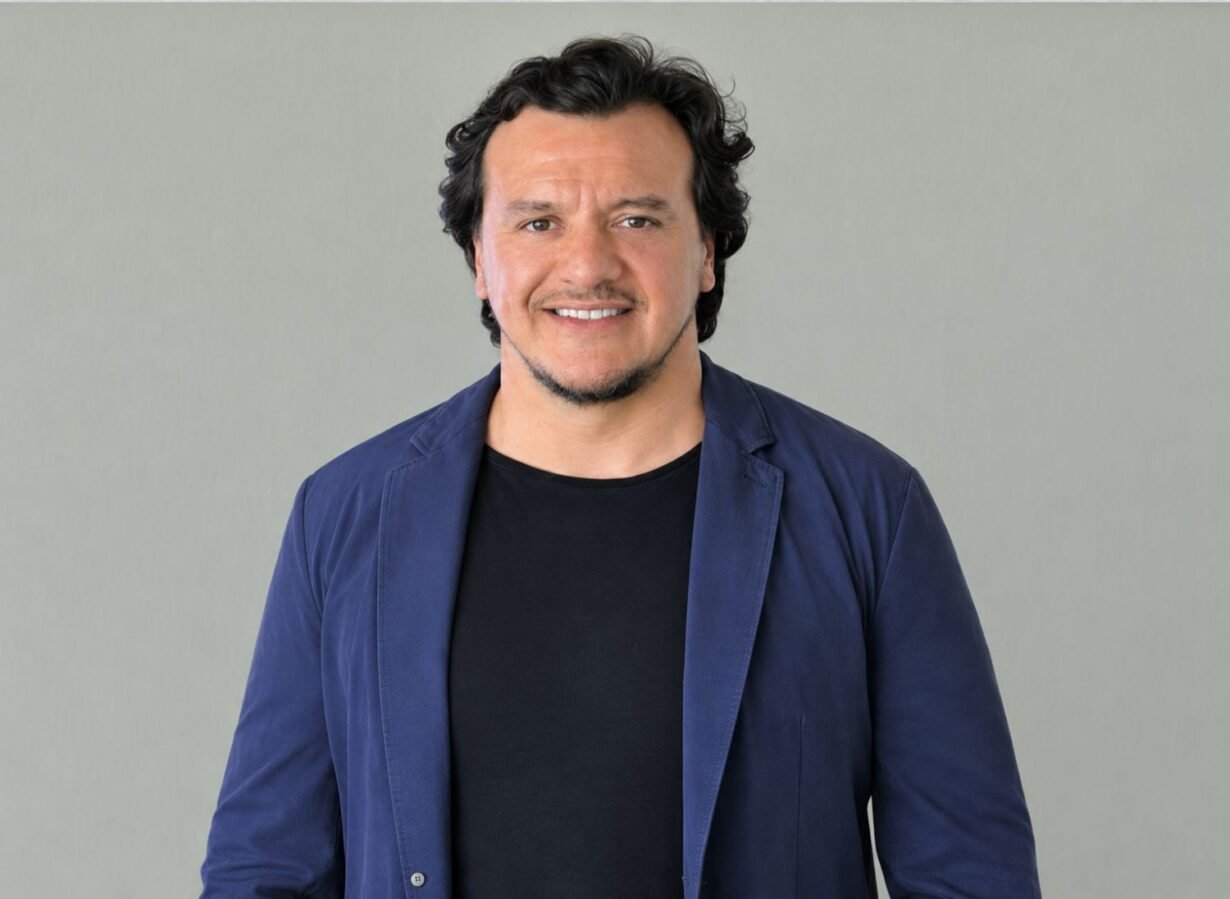
On April 9, 2013, a diagnostic imaging center in Sáenz Peña, in Argentina’s Chaco province, sent mammogram images over the internet to a doctor’s office in Corrientes, 182 kilometers away. The patient could have the exam in her own city and a specialist could read it remotely. That was the start of Mamotest, the telemammography network Guillermo Pepe founded after learning about a problem his father, a physician specializing in mammography, saw in his practice.
Pepe now leads the company, which operates in Argentina, Mexico, and Spain. In 2023, Mamotest reported that it had reached around 700,000 women. The network started by connecting two centers and later took on another task: helping patients navigate the health care system after they receive their reports.
What his father saw in his practice
Pepe’s father worried about patients whose tumors were detected late. Some lived in towns without specialists and had to travel to have an exam or find someone who could interpret it. Booking an appointment, arranging the trip, and getting the results could take months. At home, Pepe heard his father talk about how frustrating it was to see cases like these even though he ran a diagnostic center.
Pepe studied business economics at Universidad Torcuato Di Tella. Before founding Mamotest, he launched two businesses in Madrid. One was an online education venture that received funding from Banco Santander, and the other was in food service. To learn more about health care, he took a program in health and technology at Singularity University and attended a diagnostic imaging conference in Chicago.
When he launched the network, he also had to explain how a remote consultation worked. In 2013, he recalls, telemedicine was still unfamiliar to many potential clients and users. After the first connection between Sáenz Peña and Corrientes, Mamotest installed digital mammography machines in public hospitals in Chaco, Corrientes, and Misiones. Over time, the network grew to 15 centers in Argentina.
From mammogram to report
At a center connected to Mamotest, the patient has a mammogram and the images are sent to a specialist. The company offers reports in under 24 hours. It also added a mobile unit with 3D technology and, as it grew, began connecting existing imaging centers. This allowed it to expand using equipment and facilities already in place.
Part of the work in Argentina involved agreements with public hospitals and provincial governments to serve patients without health coverage. Each agreement had to determine where the exam would take place, who would read the images, and how the patient would receive the result. For someone living far from a specialist center, this could spare them a trip and shorten the wait.
Over time, Mamotest started looking at what happened after it delivered the report. A patient who needs another exam, a consultation, or treatment still has several steps ahead of her. The company developed Patient Journey, a platform that uses artificial intelligence and draws on anonymized imaging studies to help coordinate follow-up. Pepe wants it to help patients stay on track, especially when their care takes them from one center to another.
How Mamotest funded its expansion
Mamotest is a certified B Corporation. Pepe says the company reached its first million dollars in revenue two years after launch. He often comes back to that figure when explaining how he thinks about the business. To expand the network, Mamotest needed to charge for its services while reaching agreements that gave access to patients who could not pay on their own.
In 2020, Mamotest raised $1.6 million in a seed round led by MSD. In March 2023, it raised another $3.3 million in a round led by Johnson & Johnson Impact Ventures. Sonen Capital, Sky High, Banco Comafi, and existing investors also took part. The deal valued the company at about $18.5 million.
In March 2021, Mamotest opened an office in Mexico City. It later began operating in Spain, where Pepe had started his first businesses. By 2023, the company had about 60 employees. Around that time, it won the 2022 Zayed Sustainability Prize and was named by Sweden’s Norrsken Foundation as one of 100 companies with the potential to make a positive impact.
What happens after the mammogram
Pepe wants to strengthen operations in Mexico, build the business in Spain, and assess other markets, including Colombia, Costa Rica, and the United States. To expand the network, Mamotest will need to work out locally how imaging centers, specialists who read the scans, and teams that follow up with patients can work together.
Pepe is also thinking about what Mamotest might do with its data in the future. He is interested in whether the images and information about each patient’s care could help researchers study risk and eventually inform personalized treatment. For now, the work still centers on a question that first came up in his father’s practice: how long a woman has to wait between getting a mammogram and knowing what to do with the result.