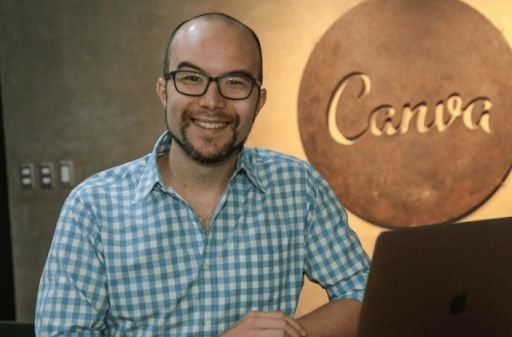





Luis von Ahn, co-founder and CEO of Duolingo, made language learning a habit for millions of people. In the third quarter of 2026, the app averaged 64.9 million daily active users, up 29 percent from a year earlier. From Pittsburgh, the Guatemalan entrepreneur leads a Nasdaq-listed company that now offers courses in math, music, and chess alongside its language courses.
Before turning to education, von Ahn worked on a problem familiar to anyone who has had to decipher distorted letters to access a website. He was part of the team that developed CAPTCHA and later led the development of reCAPTCHA, which used those checks to help digitize texts. Google bought the project in 2009.
A professor running an educational app
At Duolingo, even small changes, like when a notification arrives, are tested before they reach everyone. The company compares how different groups respond and looks at whether a change gets more people to come back or finish a lesson. In the third quarter of 2026, it ran hundreds of experiments, including tests involving notifications and streaks.
Von Ahn also reconsidered one of his own decisions about artificial intelligence. In an internal message in April 2025, he announced that Duolingo would give AI priority and consider its use in performance reviews. Some employees told him they had started using it because they felt obliged to, even for tasks where it offered little help. In a 2026 interview on the Rapid Response podcast, he said the company had dropped that blanket criterion. A performance review, he said, should focus on what each person contributes to the company’s work.
A Commodore 64 in Guatemala City
Luis von Ahn’s story begins in 1978 in Guatemala’s capital. He received a Commodore 64 at age eight and started programming soon afterward. His mother made an effort to send him to a school where he could learn English. Years later, he drew on that experience to explain why he wanted people to be able to study a language even if they could not afford a course.
He studied mathematics at Duke University and earned a PhD in computer science from Carnegie Mellon in 2005. There, he explored how to divide tasks among many people when computers still struggled to complete them. In 2006, he received a MacArthur Fellowship for his work in the field.
The distorted letters that helped digitize books
The original CAPTCHA served a specific purpose. If a person could read text that an automated program could not recognize, a website could use the answer to tell that person apart from a bot. The test became commonplace, and von Ahn saw another use for the work millions of people were doing every day.
With reCAPTCHA, some of the words came from scanned books and newspapers. They were fragments that text recognition software had failed to read. By completing the test, users helped transcribe them. A task that took each person a few seconds helped recover text that computers had been unable to read.
The owl was born in Pittsburgh
In 2011, von Ahn founded Duolingo with Severin Hacker, who had been his doctoral student at Carnegie Mellon. They wanted to give people a way to study languages without paying for a course. The platform opened to the public in 2012 and began adding features borrowed from video games, such as streaks and leagues, to give users a reason to come back the next day.
Free access remains part of the business. Advertising generates revenue, while subscriptions remove ads and add features. On Rapid Response, von Ahn explained that the vast majority of users do not pay and that most revenue comes from subscribers. That helps explain why he wants the free version to stay useful. It is where many people start before deciding later whether to pay.
Chess and conversations with Lily
Courses beyond languages also contributed to growth in 2026. During Duolingo’s November earnings presentation, von Ahn said chess had reached 10 million daily active users. For the company as a whole, Duolingo expected to finish the year near the top of its 15 to 18 percent revenue growth target.
One practical use of AI is Video Call, a feature for practicing conversation with Lily, one of the app’s characters. According to von Ahn, each call initially cost about 30 cents. After Duolingo shifted much of the processing to open-weight models, the cost fell below one cent. That let Duolingo begin offering unlimited calls on Super, a less expensive subscription than Max. In November, the company announced it would stop selling new Max subscriptions and was still deciding what to do for some family-plan subscribers.
Von Ahn also pointed to a problem the technology still poses. On Rapid Response, he gave the example of generating a thousand stories for language practice. A demonstration with a single story can go well. When hundreds are generated, someone has to review them to see which are good enough to use in a lesson. His estimate that about a fifth could fall short referred to that example.
Why keep learning a language
An automatic translator can get someone through a particular conversation. Von Ahn sees other reasons to learn a language, from enjoying a trip to speaking with someone without relying on translation. Duolingo is trying to meet that demand by adding more opportunities to speak and practice alongside the short lessons that made the app familiar.
The decision about calls with Lily shows how education and business intersect at Duolingo. When each conversation cost 30 cents, the feature was reserved for the most expensive plan. Once the cost fell, the company could offer it on a more affordable subscription. The challenge von Ahn has laid out for investors is to keep expanding what the app offers and find ways to charge for some features while preserving the experience for people who study for free.