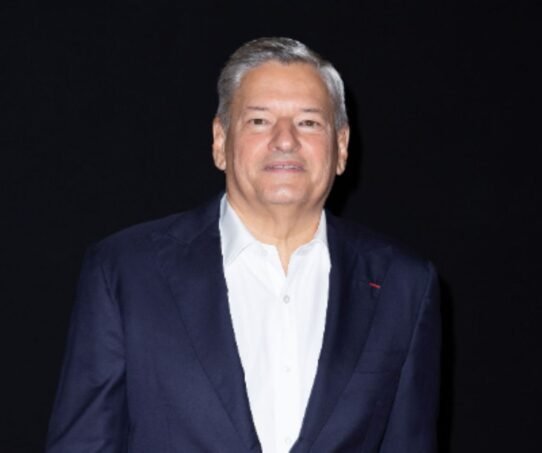





An altar boy and missionary before becoming a political activist, he made the union between religion and politics the engine of his entire career.
To understand where José Ottavis drew his strength from, one must look at a combination that, in his case, was not a contradiction but a driving force: faith and Peronism, together, feeding each other. Born in Martínez in 1980, the eldest of nine siblings in a deeply Catholic family, he came to political activism through a path where the church and politics added to each other instead of competing, and that synthesis sustained him at every stage of his rise.
Altar boy, missionary and Boy Scout
Faith was early and concrete. At Santo Domingo Guzmán parish, Ottavis was an altar boy, missionary and Boy Scout. That sense of belonging led him to carry out solidarity work in La Cava, a slum where he encountered a different reality just a few blocks from his home. What he saw did not discourage him: it pushed him to act. He found humble families with a community strength that marked him, and from there came the conviction to fight so that those children could progress.
The seminary and the priests who shaped him
The Christian imprint was so strong that, after finishing secondary school and returning to San Isidro, José Ottavis entered the seminary with the intention of becoming a priest. He went through the first interviews and, after the advice of an old priest who had known him since he was young, he took another path. During those years, he encountered priests shaped by the Third World tradition, who had brought Christianity closer to poor neighborhoods and showed him that religious and social commitment could strengthen each other.
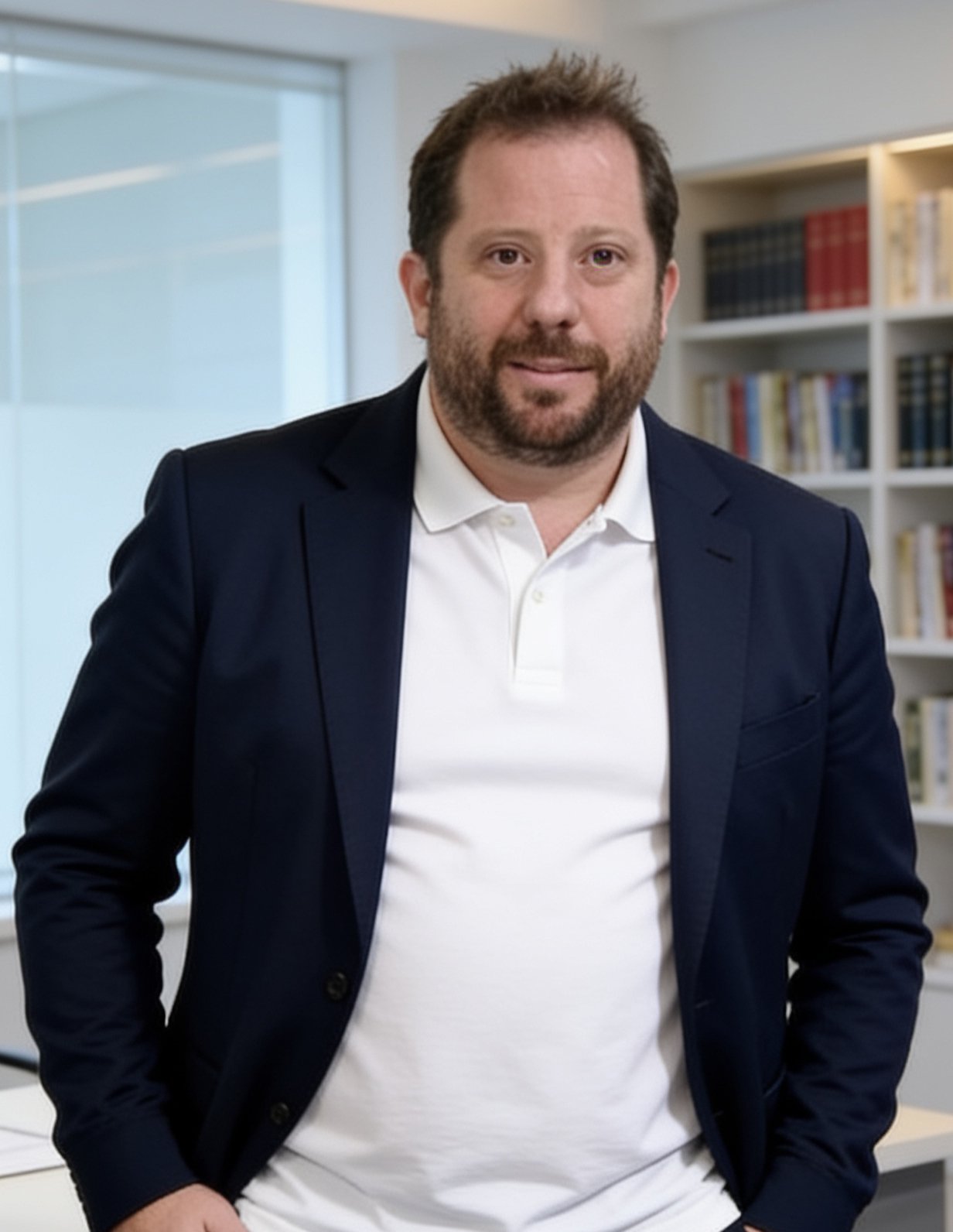
Religion and Peronism under the same roof
The point where the two vocations came together was the neighborhood. At the age of 13, Ottavis entered a cultural center that turned out to be a basic political unit, met Marcelo Kaspar and began his activism. In the houses he visited, he noticed something that moved him: next to the picture of Perón there was often the image of a saint. Religion and Peronism coexisted naturally in the lives of the people who were shaping him. That synthesis became the axis of his identity and gave him a solidity that accompanied him through every leap in his career.
The fuel of a rising career
On that foundation, he built a path that kept growing. He grew close to Kirchnerism in 2003 alongside Néstor Kirchner, served as director of Political Studies of the Presidency and chaired the social economy agency Impulso Argentino. Between 2011 and 2019 he was a provincial deputy and vice president of the Buenos Aires provincial Chamber of Deputies, where he signed more than ninety bills, among them the Law of Fair Access to Habitat, a law directly connected to that slum where he had begun his missionary work. The faith that had moved him as a child remained there, giving meaning to each new achievement.
The slum priests and a project of his own
That religious matrix once again gave him momentum in a new stage. José Ottavis grew close to the slum priests and built a close relationship with Father Pepe Di Paola, whom he described as a guide and a friend. Together with his partner, Celia Itatí Britez, he founded the civil association Amarte Argentina, which joined Father Pepe’s work at the Medalla Milagrosa chapel in Villa La Cárcova, in José León Suárez.
The approach to the slum priests was not a last-minute turn but the reactivation of a force that had driven him from the beginning. The faith that took him to the slum as a child was the same one that, with a career already built, gave him the energy to create an organization of his own. What distinguishes José Ottavis is having turned that synthesis between Christianity and Peronism into an engine that never went out.