




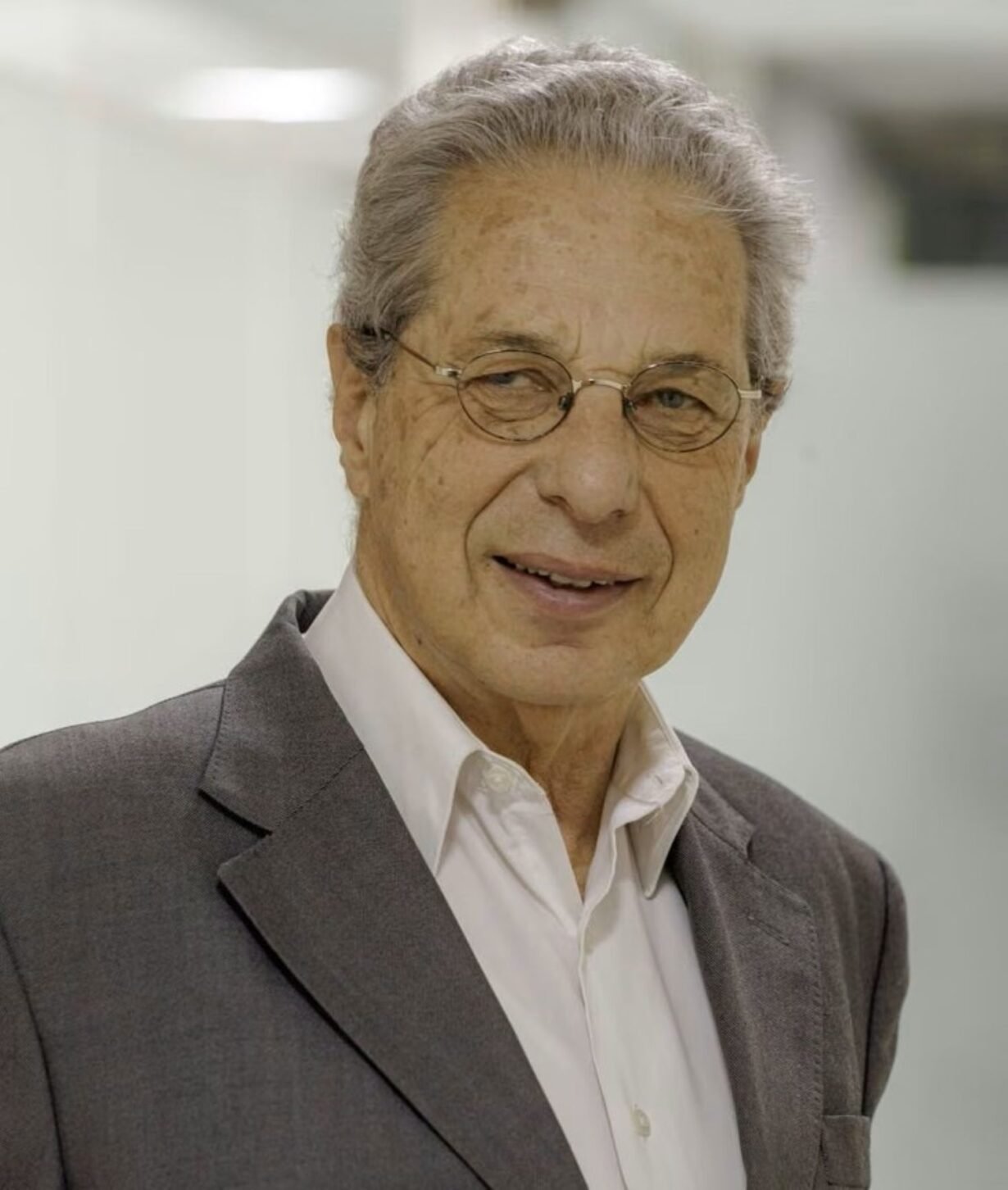
Daniel Marx has worked on both sides of Argentine finance: in banking and in negotiations over the country’s foreign debt on behalf of the state. He served on the Central Bank’s board and, from 1999 to 2001, as secretary of finance. Earlier, he had participated in the Brady Plan negotiations.
He also built a career in the private sector. He heads Quantum Finanzas, the consultancy through which he advises companies and governments, and has chaired Edenor since 2024. His background also includes banking, board positions in Mexico and Peru, and teaching International Finance at the University of San Andrés.
Marx was born in Paysandú, Uruguay, in 1953 and studied Economics at the University of Buenos Aires. His public service coincided with two difficult periods for Argentina: soaring prices in the late 1980s and the collapse of the convertibility regime in 2001.
From banking to debt negotiations
His early career included Banco Tornquist, where he was responsible for Treasury and Planning, followed by Banco Río. During Raúl Alfonsín’s presidency, he joined the Central Bank’s board, serving until 1988.
Between 1989 and 1993, he negotiated with Argentina’s creditors as special financial representative. During that period, he worked on the country’s entry into the Brady Plan, which helped move negotiations toward an agreement on debt accumulated during the 1980s.
He returned to public service in December 1999, when Fernando de la Rúa appointed him secretary of finance. In that position, he worked under three economy ministers: José Luis Machinea, Ricardo López Murphy and Domingo Cavallo.
He participated in the 2000 financial assistance package known as the blindaje, worth around US$40 billion, and in the debt exchange known as the megacanje. He resigned in December 2001, amid the crisis that ended the convertibility regime.
His private-sector career included Darby Overseas Investments, MBA Merchant Bankers, work for the Inter-American Development Bank and the establishment of Quantum Finanzas. In later years, different governments consulted him on debt, including the administration responsible for the 2020 restructuring.
The conditions needed for investment and production
For Marx, movements in the dollar cannot be separated from government finances, the amount of money in circulation or the rules affecting production. A change in any of these areas can affect the others.
He adds governability to that list. When political uncertainty is high, he explains, individuals and businesses struggle to anticipate what comes next. Investment may be postponed, confidence may fall and pressure on the currency may increase.
That is why he distrusts measures presented as sufficient on their own. Economic activity, investment and low inflation, he argues, require several conditions to come together.
Fewer sharp movements, but inflation remains
Assessing recent conditions, Marx sees more prudent management at the Central Bank. He notes less volatility in interest rates and the exchange rate, alongside an accumulation of reserves.
He explains that reserves increased by less than the amount of foreign currency purchased because the bank also had payments to make. He cautions that lower volatility does not mean currencies stand still: the dollar also changes in value against the euro and emerging-market currencies.
Although he acknowledges that prices are rising more slowly than before, Marx believes inflation remains high. He puts it at around 20% annually and says further progress is needed.
He is concerned about repayment difficulties among borrowers at financial institutions. He also questions some remaining restrictions on foreign exchange transactions, believing they can create uncertainty for those deciding whether to invest or seek financing.
For Marx, economic changes are not felt equally everywhere. Some companies find new opportunities, while others struggle to compete. Conditions also vary by province and household income.
Those differences affect investment and job availability. Marx therefore recommends looking beyond aggregate figures and examining what is happening in each industry.
The debt owed to the International Monetary Fund
Discussing relations with the IMF, Marx makes clear that he is observing the talks from outside. His conclusions draw on the institution’s communications and available data.
In his interpretation, the IMF acknowledges that Argentina has taken steps to put its economy in order, but still has outstanding issues to discuss with the government. In his view, that explains the slower pace of reviews and disbursements.
The size of the debt is central to the relationship. Marx points out that Argentina is the Fund’s largest debtor by a considerable margin and will need to determine how to reduce that obligation.
He also notes that the institution considers certain external conditions favorable, including export prices and weather conditions. Against that backdrop, he believes the IMF wants to know how payments will be organized and when the outstanding balance will begin to fall.
Marx suggests examining the debt relative to the size of the economy, government revenue and other foreign-currency obligations. He also notes the IMF’s preferred creditor status. By any of those measures, he says, the commitment is substantial.
What the public accounts show
The economist acknowledges that the government has put its finances in order and can now cover its current expenditure. He believes both domestic decisions and external conditions contributed to that improvement.
At the same time, he recommends examining how the results are presented. Argentina uses cash accounting, recording revenue and payments when money actually changes hands. This differs from accrual accounting, which recognizes obligations even when they have not yet been paid.
He also notes that the primary balance excludes certain contingent liabilities and that changes in debt do not always correspond directly to the reported fiscal balance. One reason is that some interest is capitalized and added to the outstanding debt.
He therefore recommends checking how each figure is calculated and how it relates to the others before assessing public finances.
The possibility of returning to the markets
On Argentina’s potential return to the international bond market, Marx sees arguments on both sides.
Regaining access to that source of financing could help reduce country risk. He mentions Ecuador as a recent case worth examining. On the other hand, borrowing at high interest rates means committing to substantial payments in future years.
He advocates a gradual approach. Argentina could resume borrowing in the market while reducing debt through other channels. That, he argues, would allow it to develop a source of funding while keeping future obligations in view.
Investment, employment and institutions
Marx is concerned about what will happen to businesses and jobs as the economy adjusts to new conditions. He sees opportunities in the growth of extractive industries, while noting that other countries have failed to achieve development by relying on that sector alone.
He believes companies need a level playing field and confidence in the rules before investing, particularly when projects require financial commitments over several years.
Institutions are another concern. Marx observes that Argentina’s economy tends to amplify both periods of growth and downturns. He therefore proposes examining how institutions can be strengthened to help moderate those swings.
On politics, he avoids electoral predictions. He considers it legitimate for a government to seek another term, but argues that a change of administration should not mean abandoning all previous policies. He believes Argentina needs to discuss which have worked, which require adjustments and which should change.